




1 hour ago
Recording without raising phone: How smart glasses are changing privacy debate
Nabiha Wahid
|
29 Oct 2026
Smart glasses are changing the way people record and share their everyday experiences, but their growing use is raising serious concerns about privacy and consent.
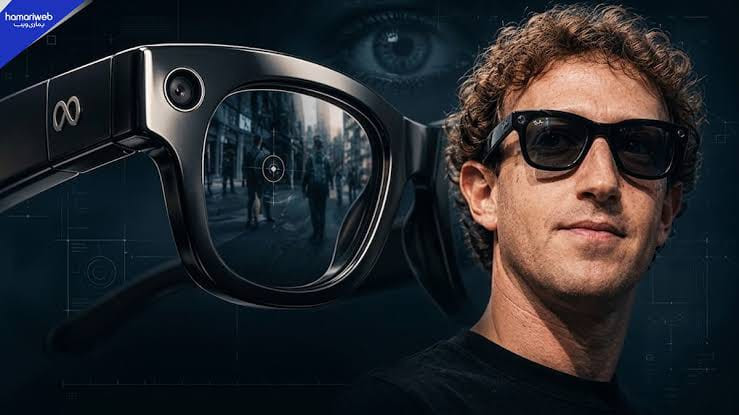
Smart glasses, such as Meta’s Ray-Ban glasses, look like regular eyewear but allow users to take photos, record videos and audio, and interact with artificial intelligence without using a smartphone.
Since these glasses are difficult to distinguish from ordinary eyewear, people around the wearer may not realise they are being recorded.
Someone wearing them could appear to be having a normal conversation or simply walking or sitting in a public place, while others remain unaware that their images or voices may be captured.
Meta says its smart glasses have a small white LED light that flashes when photos or videos are being recorded. The company says the light is designed to alert people nearby and that newer models will automatically turn off the camera if the indicator light is covered.
However, concerns remain about whether the light is always visible enough to catch people’s attention and make them aware that recording is taking place.
Concerns have also extended to the devices’ audio and artificial intelligence features. In October 2026, reports emerged that a software glitch had caused some Ray-Ban Meta glasses to record conversations without the wearer initiating the expected voice command.
Meta said the issue had been fixed, but the incident raised further questions about how reliably recording functions operate and how users can maintain control over their devices.
The privacy risks do not end when a recording is made. Photos, videos and audio may be transferred to connected phones, shared on social media or processed through AI services, depending on how the device is used.
This raises questions about who can access captured information, how long it may be retained and whether people appearing in recordings have any meaningful control over its use. European data protection authorities have warned that smart glasses can leave people unaware of when their personal information is being collected, particularly in sensitive settings such as schools, hospitals and workplaces.










Comments
0 comment