




1 hour ago
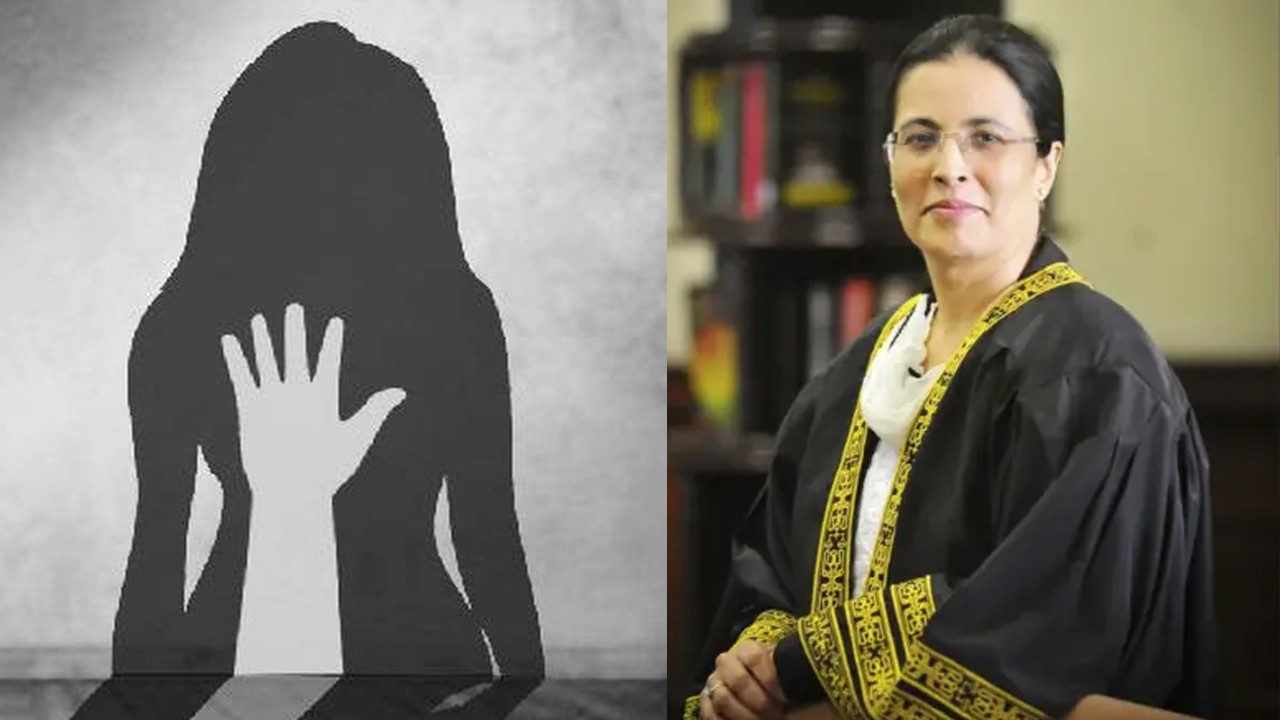
Justice Ayesha Malik challenges victim-blaming attitudes in rape cases
Web desk
|
28 Oct 2026
ISLAMABAD: Supreme Court Justice Ayesha Malik on Tuesday challenged victim-blaming attitudes that suggest women invite rape, urging a rethinking of beliefs that place responsibility for sexual violence on victims.
She was speaking at the launch of a bench book on adjudicating rape cases for judges serving in gender-based violence (GBV) courts in Islamabad.
The initiative was organised in collaboration with the Ministry of Human Rights (MoHR), the Legal Aid Society (LAS) and the United Nations Population Fund (UNFPA).
In her keynote address, Justice Malik expressed concern that sexual violence had become so common that it no longer triggered adequate public outrage. She called for a fundamental shift in attitudes towards women and challenged assumptions used to blame victims of sexual assault.
The bench book provides judges with practical guidance for conducting fair trials and making decisions based on law and evidence.
Launched alongside the publication was a national study examining low conviction rates in GBV cases, which explores shortcomings at different stages, from initial reporting and investigation to medical examinations, prosecution and trial.
MoHR Child Protection Institute Director General Rabeea Hadi presented the study, prepared by the ministry in collaboration with the Senate’s Functional Committee on Human Rights.
Meanwhile, LAS Director of Gender, Inclusion and Development Advocate Maliha Zia outlined the bench book’s structure, which covers relevant laws and judicial guidance across 10 chapters arranged according to the stages of a trial.
Senator Ayesha Raza Farooq, chairperson of the Special Committee on the Anti-Rape (Investigation and Trial) Act 2021, discussed the practical implementation of the legislation.
LAS Chief Executive Officer Barrister Haya Emaan Zahid also highlighted the challenges survivors face, stressing the importance of considering delayed reporting, gaps in medical evidence and family power dynamics in their proper context.
UNFPA Pakistan Representative Dr Luay Shabaneh emphasised that reasoned judgments were essential to protecting rights inside and outside courtrooms, while British High Commission Senior Governance Adviser Mary Kate Thomson said public confidence in the justice system depended on how cases were handled.
Opening the event, Human Rights Secretary Abdul Khalique Shaikh acknowledged the gap between legal protections and their implementation, calling for stronger efforts to ensure that laws translate into practice.










Comments
0 comment