




1 hour ago
Finance Ministry denies reports claiming petroleum levy is Central to IMF Programme as misleading
Web desk
|
22 Sep 2026
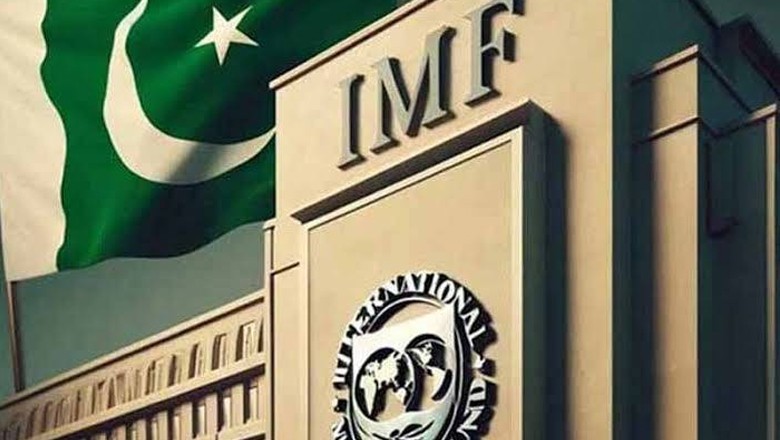
The Finance Ministry on Tuesday rejected reports that the petroleum development levy (PDL) had become the “central point” of Pakistan’s ongoing IMF programme, calling the claims misleading.
The ministry said the $7 billion Extended Fund Facility and $1.1 billion Resilience and Sustainability Facility involve a much broader fiscal strategy focused on revenue mobilisation, expanding the tax base, provincial taxation and expenditure rationalisation.
For FY27, the ministry said the programme places particular emphasis on increasing revenue collection and strengthening the Federal Board of Revenue rather than relying solely on petroleum taxation.
It described the PDL as just one of several revenue instruments and said portraying it as the centrepiece of the IMF programme overstated its significance.
The ministry also rejected claims that there were no IMF-related requirements concerning petroleum pricing and levies. It said programme documents include provisions for aligning domestic fuel prices with international prices through regular adjustments, while the resilience facility includes a reform measure involving a supplementary carbon levy through the PDL framework.
It further disputed claims that the petroleum levy was responsible for inflation, unemployment, poverty and weak economic growth.
According to the ministry, these outcomes are influenced by several factors, including geopolitical developments, commodity prices, exchange-rate movements, monetary conditions, fiscal imbalances, external financing constraints and global economic shocks.
The ministry also rejected the impression that the IMF programme was controlled solely by the Finance Division. It said the programme is a whole-of-government effort involving the Planning Commission, Ministry of Planning, Ministry of Energy, provincial governments, FBR, State Bank and other institutions, with relevant bodies participating in technical discussions and setting commitments within their respective mandates.
The ministry said the programme is not limited to fiscal targets and also covers growth-enhancing reforms, social protection, governance, energy-sector efficiency and climate resilience. It maintained that fiscal stabilisation is necessary for sustainable growth, while social safeguards remain part of the programme.
On agriculture, it noted that taxation and implementation involve provincial governments, stressing that coordination by the Finance Division should be distinguished from the responsibilities of other institutions.





Comments
0 comment