




Pacific nations hit hard as global fuel crisis drive prices upwards and disrupts supply chains

Webdesk
|
22 Apr 2026
As global fuel crisis increases energy costs and disrupts supply chains, Pacific island nations are facing severe economic and humanitarian strain, according to reports.
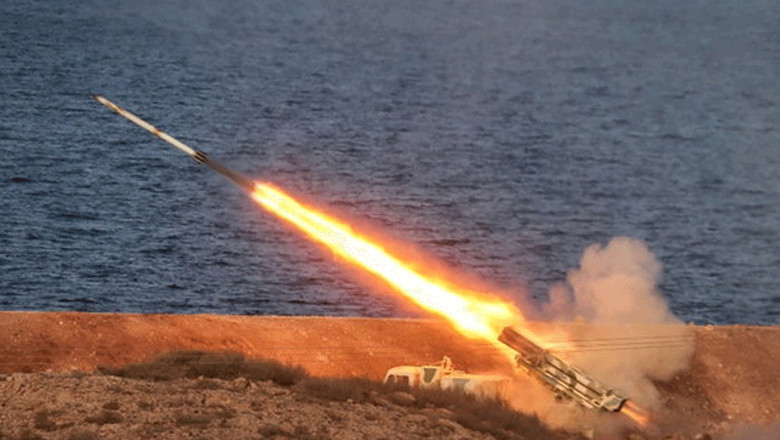
The fuel crisis has occurred due to disruptions in global oil and gas flows through the Strait of Hormuz amid heightened tensions between US and Israel against Iran.
The Strait is a key transit route for nearly 20% of global petroleum trade. While the exact impact of any conflict remains difficult to independently verify in real time, energy market analysts have confirmed increased instability in global oil prices due to it.
Moreover, aid organizations including World Vision and Caritas Internationalis report that diesel, petrol, and kerosene prices have surged sharply.
In countries such as Papua New Guinean, the prices have gone up by 70%, thus, placing heavy pressure on households dependent on imported fuel.
Meanwhile, the Asian Development Bank has warned that Pacific economies are especially vulnerable because fuel imports account for a significant share of GDP in several island nations.
Furthermore, transport disruptions have also affected access to healthcare, with reports of patients missing medical appointments and essential treatments due to rising travel costs.
It has been reported that countries including Tuvalu, the Marshall Islands, and Kiribati have declared emergencies or introduced subsidies and fuel caps to manage the crisis.
Fiji has also moved to reduce government salaries as part of austerity measures.
Regional leaders, which include representatives from New Zealand and Australia, have spoken of what kind of help is required, also China has reported that it is ready to support in the issue of global energy stability.
Experts report that while it may see some relief in geopolitical issues which fuel these high prices, in the short term what we will likely see is a slow, if at all, reduction of the prices, and this will certainly play out in long term economic results.








Comments
0 comment