




Iran’s Khamenei directs armed forces to respond forcefully to any new threat
Web Desk
|
31 Oct 2026
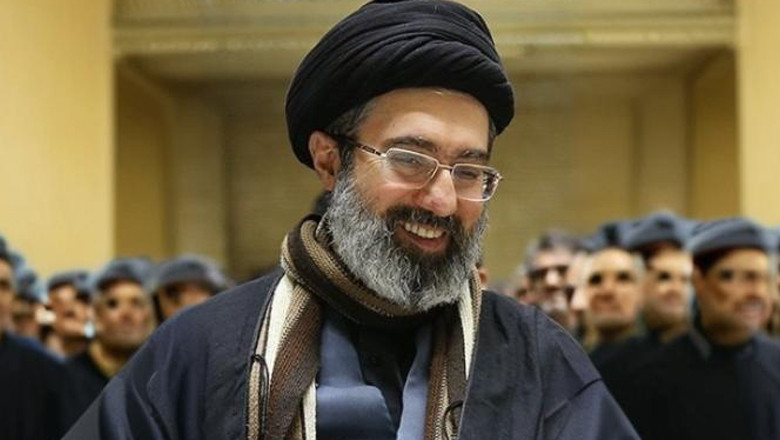
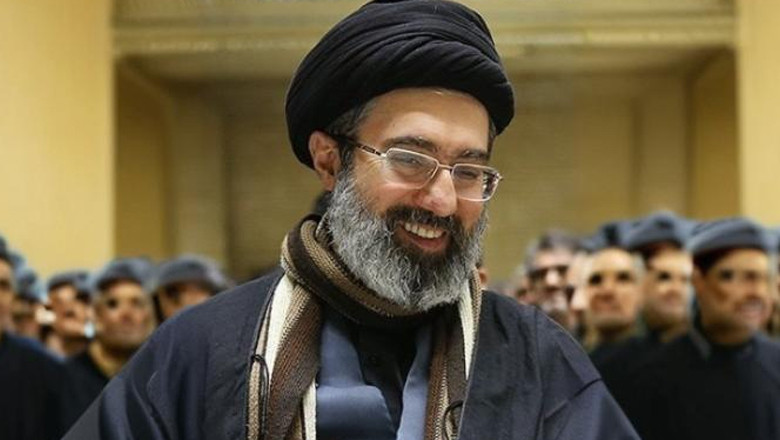
Iran’s Supreme Leader, Ayatollah Sayyid Mojtaba Hosseini Khamenei, has directed the country’s senior military commanders to respond swiftly and forcefully to any renewed aggression against the Islamic Republic, without geographical restrictions.
The directive was issued during a meeting with senior commanders of Iran’s Armed Forces, where Khamenei, who also serves as Commander-in-Chief, stressed the importance of maintaining a high level of military preparedness to deter potential threats.
According to highlights published on his official Telegram channel, the Iranian leader said every form and level of threat must be met with an immediate and decisive response, regardless of geographical boundaries.
During the meeting, Khamenei described intelligent military preparedness and the ability to confront potential adversaries as essential elements of national deterrence.
He warned that if Iran’s adversaries resume military or terrorist attacks, the Iranian Armed Forces and people would determine when and under what conditions the confrontation would end.
He also called for strengthening military intelligence, expanding indigenous defence capabilities, modernising military doctrines and tactics, and incorporating emerging technologies into the country's defence and security infrastructure.
Additionally, he stressed the importance of strengthening the spiritual foundations and morale of military personnel while ensuring that their welfare and livelihood needs receive adequate attention.
In a significant directive, Khamenei ordered a comprehensive update of Iran’s military target database, stating that all physical and non-physical assets belonging to what he described as the US-Zionist adversary should be within the reach of Iranian Armed Forces.
He also identified public support for the military as a central pillar of Iran’s national deterrence strategy against foreign adversaries and their domestic collaborators.
Referring to what he described as eight months of public mobilisation, Khamenei compared the continued presence of supporters in public squares to the legacy of Iran’s eight-year war with Iraq, known in Iran as the Sacred Defense.
He said the resilience of the Iranian people, alongside the military, police and Basij forces, had played a crucial role in safeguarding the country's territorial integrity and political system.
The Iranian leader also praised the steadfastness of the Resistance Front across several countries.
He emphasised the strategic importance of coordination across different operational domains, describing it as a decisive factor in shaping a new political and security order in West Asia.
Khamenei expressed hope that emerging regional developments would encourage greater unity among Muslim nations and governments and contribute to the establishment of what he called a New Islamic Civilization.
During the meeting, Major General Abdollahi, Chief of the General Staff of Iran’s Armed Forces, Major General Amir Hatami, Commander-in-Chief of the Iranian Army, and Major General Ahmad Vahidi, Commander-in-Chief of the Islamic Revolutionary Guard Corps (IRGC), briefed the Leader on the country's military preparedness.
Their reports covered defence readiness along the Persian Gulf coastline, the Strait of Hormuz, the Sea of Oman, and Iran’s northwestern and southeastern borders.
The commanders also reported a substantial increase in the production of key munitions, reconnaissance equipment, logistical support systems and combat weapons.
Khamenei expressed satisfaction with the reported developments and instructed senior commanders to convey his appreciation to military, police and Basij personnel, as well as Ministry of Defence employees and their families.


Comments
0 comment