




1 hour ago
World Arthritis Day: Early diagnosis and timely treatment key to preventing permanent joint damage
Web Desk
|
12 Oct 2026
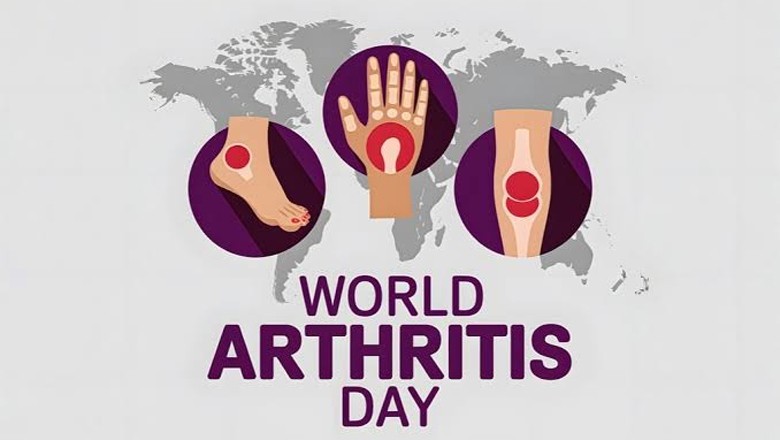
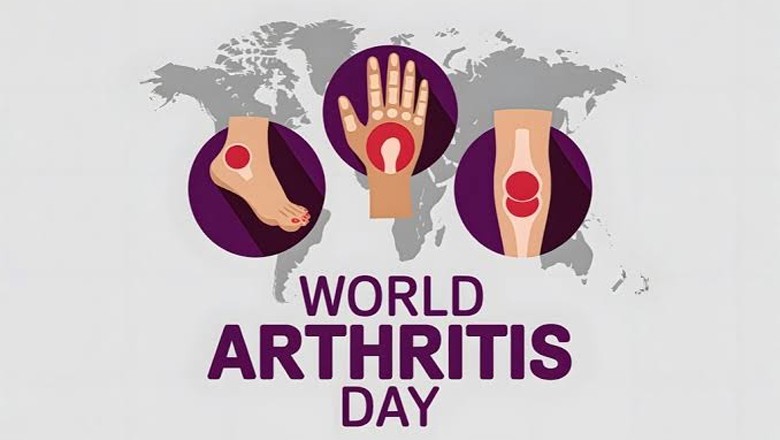
KARACHI: Early diagnosis, timely treatment and greater public awareness are essential to preventing permanent joint damage and disability caused by arthritis.
This was stated by Associate Professor and rheumatologist at Aga Khan University Hospital, Dr Hafiz Mehmood Riaz on the occasion of World Arthritis Day.
Observed annually on October 12, World Arthritis Day is a global awareness campaign aimed at highlighting the challenges faced by people living with arthritis and other musculoskeletal conditions. Established in 1996, the initiative seeks to improve public understanding of these conditions, their symptoms, healthcare challenges and available treatment options.
Dr Riaz emphasised that arthritis should not be dismissed as an inevitable consequence of ageing or general wear and tear, warning that delayed diagnosis and treatment can lead to progressive joint damage, reduced mobility and long-term disability.
Arthritis is more than just joint pain
Arthritis is a broad term encompassing more than 100 conditions affecting the joints and musculoskeletal system.
These include osteoarthritis, rheumatoid arthritis, psoriatic arthritis and gout, each with different causes, symptoms and treatment requirements.
While osteoarthritis may be associated with ageing, obesity, joint injuries and genetic factors, several other forms of arthritis are linked to inflammation and autoimmune disorders.
Dr Riaz cautioned that persistent joint pain accompanied by swelling, warmth or redness should never be ignored. Other warning signs include morning stiffness lasting more than 30 minutes, pain in the small joints of the hands, wrists or feet, unexplained fatigue and symptoms that persist for several weeks.
“Pain may be the warning, but swelling is the fire. Do not ignore a joint that remains swollen, warm or stiff for weeks,” he emphasised, urging people to seek medical advice rather than dismissing persistent symptoms as routine aches and pains.
Early diagnosis can prevent irreversible joint damage
Highlighting the importance of timely medical intervention, Dr Riaz explained that inflammatory arthritis can progressively damage joints if left untreated. He noted that the first three to six months after symptoms begin can be a critical period for diagnosis and treatment.
According to him, individuals experiencing persistent joint pain and stiffness, particularly those with prolonged morning stiffness or symptoms affecting multiple joints, should seek medical assessment.
Early referral to a rheumatologist can help distinguish inflammatory arthritis from osteoarthritis, gout and other joint conditions, enabling patients to receive appropriate treatment before significant damage occurs.
Dr Riaz added that blood tests, imaging and specialist evaluations play an important role in identifying the underlying condition and determining the most suitable treatment plan.
“Waiting is not harmless. Early referral to a rheumatologist can help protect joints, preserve mobility and prevent long-term complications,” he said.
Modern treatments offer hope for patients
Dr Riaz stressed that advances in medical treatment have improved the management of many forms of arthritis, allowing patients to control symptoms, maintain mobility and enjoy a better quality of life.
Depending on the type and severity of the condition, treatment may include disease-modifying antirheumatic drugs (DMARDs), biologic medicines and targeted therapies. In selected cases, doctors may also prescribe short courses of steroids.
He explained that comprehensive arthritis management extends beyond medication. Physiotherapy, regular physical activity, weight management and smoking cessation can also contribute to better outcomes.
However, he cautioned that painkillers alone may not be sufficient to control inflammatory arthritis, as they may relieve symptoms without preventing the underlying disease from progressing.
Regular medical follow-ups, disease monitoring and adjustments to treatment are therefore essential to reduce the risk of joint erosion, deformity and disability.
“Arthritis is treatable. The right treatment at the right time can help people remain mobile, continue working and maintain their independence,” Dr Riaz said.
He also advised patients not to discontinue prescribed medication without consulting their treating physician, stressing the importance of consistent medical supervision for effective disease management.









Comments
0 comment