



2 hours ago
Pakistan rejects IMF demand for higher EV sales tax under new auto policy
Web desk
|
21 Oct 2026
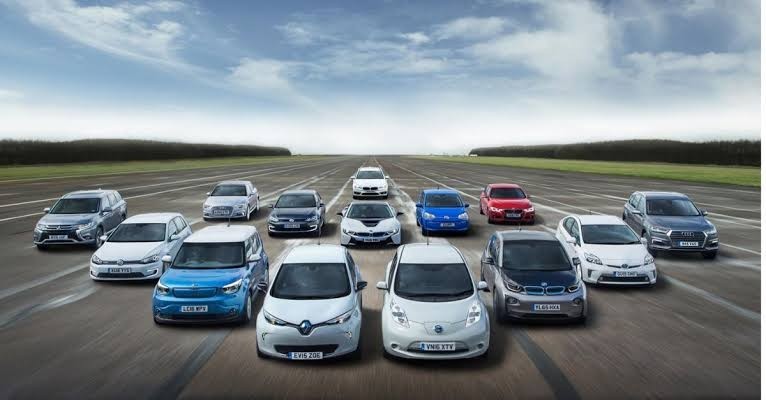
ISLAMABAD: Prime Minister Shehbaz Sharif has approved a five-year automotive policy designed to expand domestic production, increase exports and strengthen competition in Pakistan’s auto industry.
The policy sets a target of raising vehicle exports to $6 billion. It also seeks to boost the manufacturing of auto parts within the country, advance technology and gradually lower import duties on vehicles.
The government has turned down the International Monetary Fund’s (IMF) proposal to raise the sales tax on electric vehicles (EVs) to 18 per cent.
However, the policy proposes a 10 per cent federal excise duty on electric vehicles priced above $75,000.
Under the new policy, the sales tax on battery electric vehicles will remain at one per cent from 2026 to 2031. Range-extended electric vehicles will be taxed at six per cent, while plug-in hybrid vehicles will face a nine per cent sales tax.
The government also plans to gradually reduce import duties on electric vehicles, with lower tariffs proposed for smaller EVs priced below $15,000.
The financing limit for electric vehicles is set to rise from Rs3 million to Rs10 million, while the maximum repayment period will be extended from three years to five years.
The policy aims to make smaller vehicles more affordable, particularly for low-income consumers. According to the policy document, sales taxes on electric vehicles will be gradually reduced until 2031.




Comments
0 comment