




1 hour ago
Pakistan seeks foreign expertise to recover K2 Airways black box
Web desk
|
18 Oct 2026
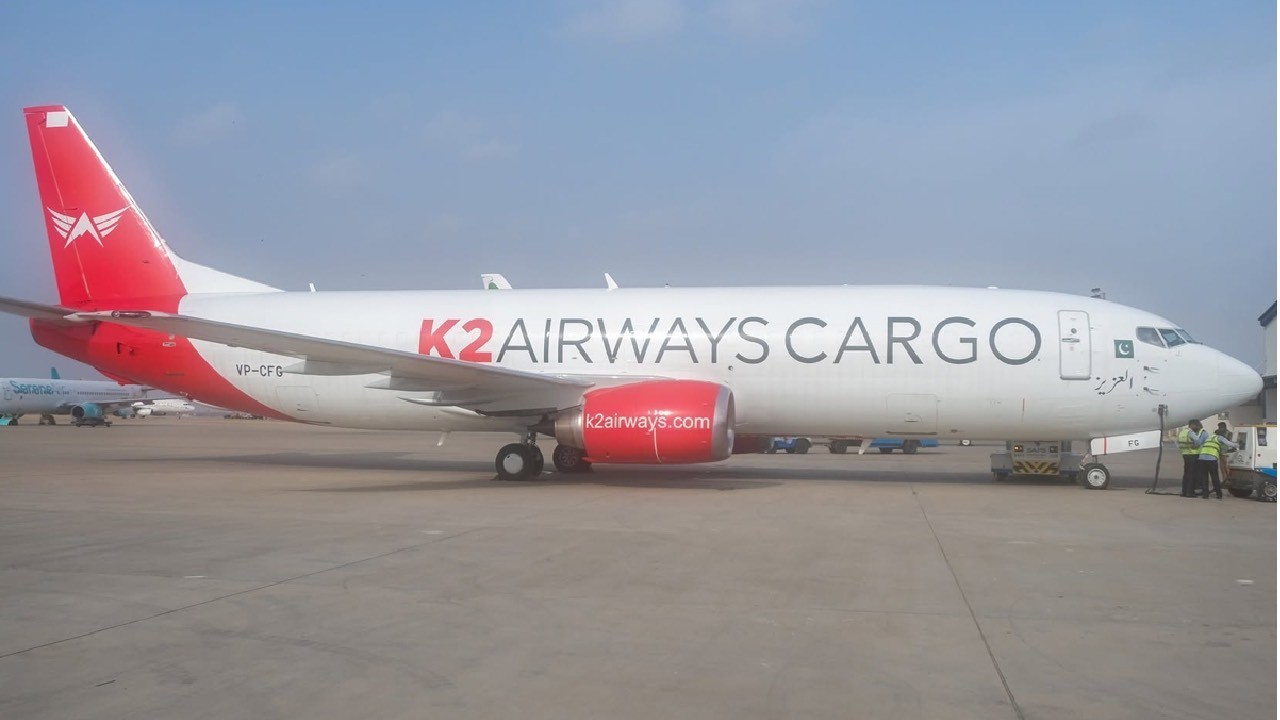
Pakistan has stepped up efforts to recover the black box and wreckage of a K2 Airways aircraft that crashed into the sea near Ormara on July 7, with the government approaching international experts and specialised companies for assistance in a deep-sea search operation.
Nearly four months after the accident, the aircraft's remains are believed to be lying about 3,000 metres beneath the sea.
Recovering the black box, wreckage and cockpit crew remains a major challenge, requiring advanced underwater technology and specialised salvage equipment.
According to sources, the government is consulting foreign specialists to identify the most effective methods for locating and retrieving the aircraft's remains. The black box is considered vital to the investigation as it could provide information about the aircraft's final moments and help establish the cause of the crash.
The Pakistan Navy previously used specialised equipment and side-scan sonar to identify a possible location of the black box. However, sources said its transmitter beacon stopped emitting signals approximately one month after the crash, making the search more difficult.
The proposed operation could involve preparing a detailed three-dimensional map of the seabed using a multibeam echo sounder. The technology would help search teams examine underwater terrain, measure depths and identify potential obstructions.
Autonomous underwater vehicles equipped with sonar, cameras and other sensors could also be deployed to survey the area and identify objects that may be part of the aircraft's wreckage.
Remotely operated vehicles (ROVs), controlled from support vessels, may be used to inspect suspected debris at close range. Equipped with high-definition cameras, powerful lights and robotic arms, these machines can examine wreckage and potentially retrieve smaller objects from the seabed.
Search teams may also consider using towed pinger locators to detect acoustic signals from the black box beacon. However, the reported loss of the transmitter signal could limit the effectiveness of this method.
Another option is a magnetometer, which detects variations in magnetic fields and may help locate large metallic objects underwater. Combining sonar data, magnetic readings and underwater images could help investigators confirm the likely location of the wreckage.
The operation may require specialised deep-sea salvage vessels equipped with heavy-duty winches, cranes and remotely operated systems capable of working at extreme depths.
The recovery of the black box and wreckage is considered crucial to the investigation. Flight data and cockpit voice recordings could help investigators reconstruct the aircraft's final moments, assess cockpit activity and determine the possible cause of the accident.
Sources said the company that owns the cargo aircraft would bear 50 per cent of the search costs. Raja Tariq, who owns up to 60 per cent of the company's shares, has been informed of the decision, they added.
The next phase of the operation will depend on assessments by international specialists, the availability of suitable equipment and the identification of promising search locations on the seabed.





Comments
0 comment