




How Pakistan’s diplomacy paved the way for US-Iran ceasefire
Web Desk
|
8 Apr 2026
A two-week ceasefire between the United States and Iran has taken effect following weeks of escalating hostilities that began with coordinated US-Israeli strikes on Iran on February 28.
The conflict quickly expanded into a broader regional crisis, marked by retaliatory missile and drone attacks, maritime disruptions, and sustained strikes on military and civilian infrastructure. According to official figures cited by Tehran, at least 2,076 people were killed and over 26,500 injured during the fighting.
Iran responded to the initial strikes by targeting multiple Gulf states, hitting infrastructure in countries including the United Arab Emirates, Kuwait, Qatar, Bahrain and Jordan. The situation further intensified with continued airstrikes, naval confrontations, and attacks on commercial shipping routes, particularly around the Strait of Hormuz, a critical global oil transit corridor.
The killing of senior Iranian leadership, including Supreme Leader Ayatollah Ali Khamenei, and later high-ranking officials, marked a significant escalation. Iran subsequently appointed Ayatollah Mojtaba Khamenei as the new supreme leader, signalling continuity amid the crisis.
The conflict also saw major incidents such as the sinking of an Iranian naval vessel, attacks on oil infrastructure including Kharg Island, and the downing of a US air refuelling aircraft in Iraq. Meanwhile, millions of civilians were displaced, and widespread damage to infrastructure was reported across Iran.
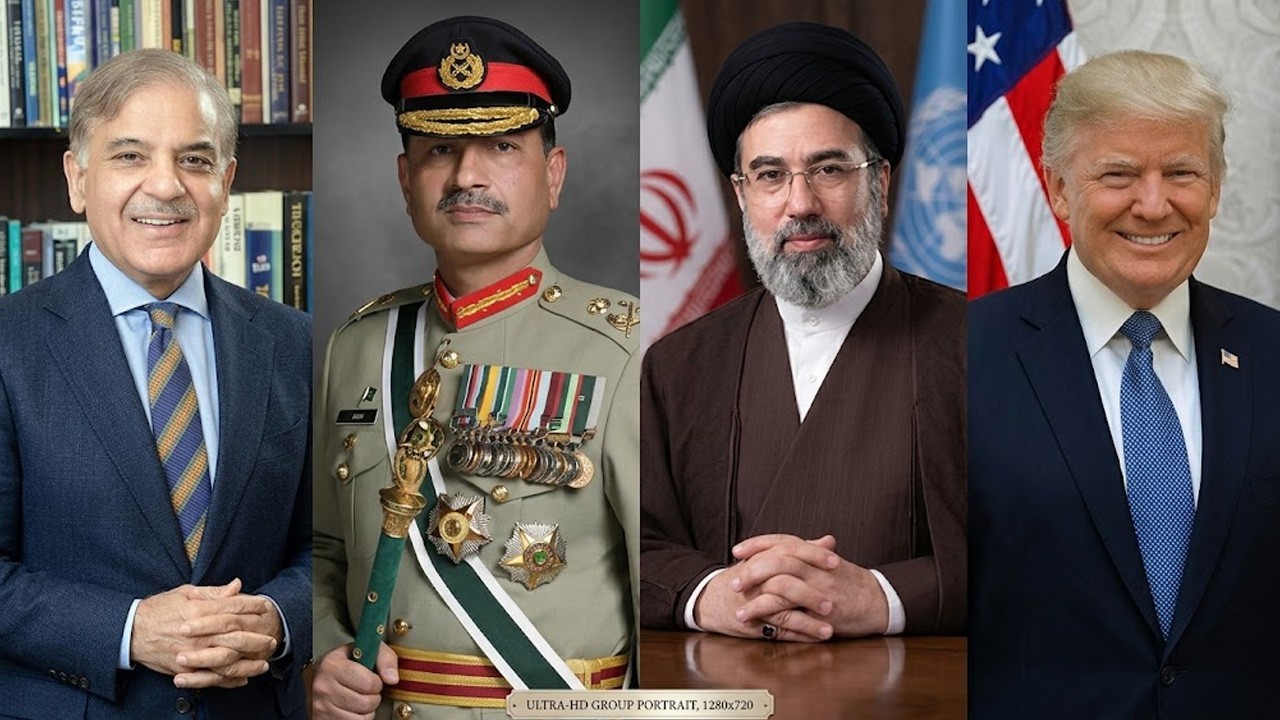
Diplomatic efforts intensified in late March, with Pakistan emerging as a key intermediary. Officials confirmed that indirect communication between Washington and Tehran was being facilitated through Islamabad, alongside support from Turkiye and Egypt.
A temporary pause in US strikes created space for negotiations, while multiple high-level meetings, including a quadrilateral dialogue in Islamabad, helped build momentum towards de-escalation.
On April 8, Prime Minister Shehbaz Sharif announced that both sides had agreed to an immediate ceasefire, also extending to Lebanon, and invited delegations for talks in Islamabad on April 10 to pursue a lasting resolution.




Comments
0 comment