




UNSC report rejects Taliban claims on militant presence in Afghanistan
Web Desk
|
18 Dec 2025
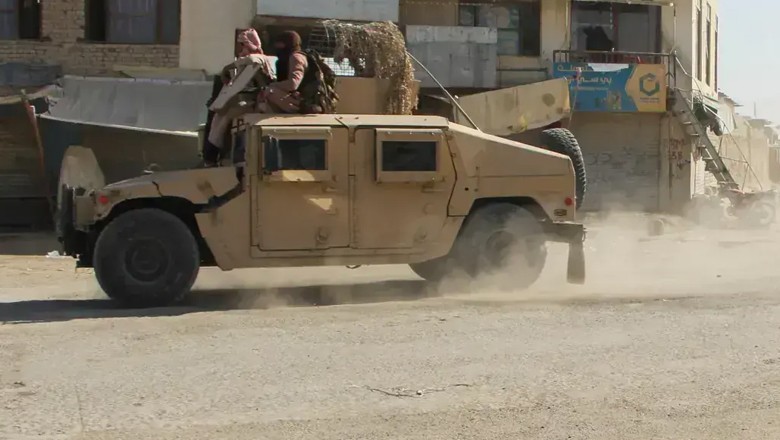
A United Nations Security Council (UNSC) report has dismissed the Taliban’s claims that militant groups are not operating from Afghan soil. It said that the claims lack credibility as neighbouring countries increasingly see Afghanistan as a driver of regional insecurity.
The findings were detailed in the sixteenth report of the UN’s Analytical Support and Sanctions Monitoring Team, submitted to the Security Council amid growing concern about security conditions in Afghanistan more than four years after the Taliban returned to power in August 2021.
According to the report, Taliban authorities continue to deny the presence or operations of terrorist groups within Afghanistan. However, the monitoring team said that this position was “not credible”, citing consistent information provided by UN member states.
The report said that multiple countries have repeatedly confirmed the presence of several militant organisations in Afghanistan, including ISIL-K, Tehreek-i-Taliban Pakistan (TTP), Al Qaeda, the Eastern Turkistan Islamic Movement, also known as the Turkistan Islamic Party, Jamaat Ansarullah and Ittihadul Mujahideen Pakistan. It added that some of these groups have used Afghan territory to plan and prepare attacks beyond the country’s borders.
UN monitors said that Al Qaeda continues to maintain close links with the Taliban and remains active in several Afghan provinces. While the group keeps a low public profile, the report said that it operates in an environment that allows it to train, regroup and reorganise.
ISIL-K, meanwhile, was identified as the Taliban’s main armed rival. The report said that Taliban operations have weakened the group’s territorial control, but ISIL-K has shown resilience and continues to carry out attacks both inside Afghanistan and abroad.
The report described the TTP as the most serious threat to regional stability, saying the group operates from sanctuaries inside Afghanistan and benefits from support among certain Taliban elements.
It said that Taliban authorities continue to reject responsibility for failing to curb TTP activities, adding that views within the Taliban leadership vary, with some members showing sympathy or allegiance to the group.
According to the report, while some senior Taliban figures increasingly regard the TTP as a burden that strains relations with Pakistan, others remain supportive. The monitoring team said that due to long-standing ties, the Taliban are unlikely to take decisive action against the TTP, even under pressure from Islamabad, and may also lack the capacity to do so.
The report said the TTP has carried out numerous high-profile attacks inside Pakistan from Afghan territory, making it the most immediate challenge in relations between Kabul and Islamabad.
It added that attacks attributed to the group have continued to rise in 2025, with estimates suggesting more than 600 incidents in Pakistan so far this year.



Comments
0 comment