




2 hours ago
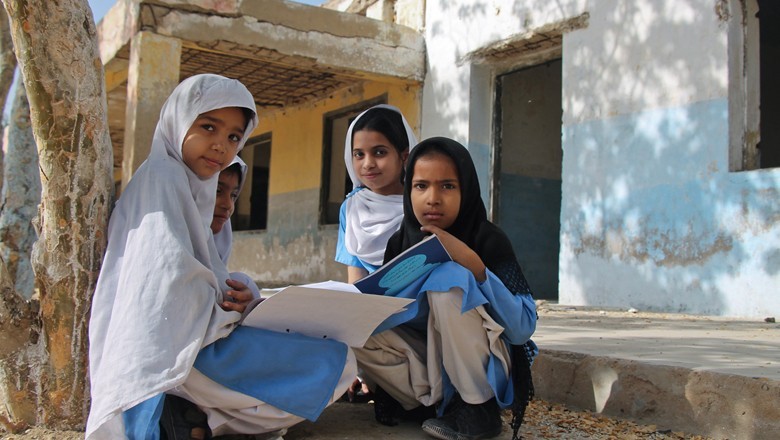
Over 4 million girls out of school in Sindh, gender parity report reveals
Web Desk
|
18 Sep 2026
More than 4.08 million girls aged between five and 16 are out of school in Sindh, while the literacy rate among women stands at 47% compared to 68% among men, according to the province’s first Gender Parity Report.
Special Assistant to the Sindh Chief Minister on Human Rights Rajvir Singh Sodha presented the Gender Parity Report 2023-24 to Chief Minister Murad Ali Shah, highlighting gender disparities in education, health, employment, political participation and representation in public institutions.
The report showed that the female literacy rate in rural Sindh is significantly lower at 27.52%. The chief minister described the number of girls deprived of education as a matter of serious concern and decided to introduce targeted reforms to reduce gender disparities. He directed provincial departments to formulate policies based on the report and strengthen systems for collecting gender-disaggregated data.
According to the report, maternal mortality in Sindh declined from 314 to 224 deaths per 100,000 live births, while the neonatal mortality rate stood at 24 deaths per 1,000 live births.
The provincial health budget increased from Rs214.5 billion in 2023-24 to Rs267.54 billion in 2024-25 and Rs318.22 billion in 2025-26. The report found that women account for only 4.34% of the Sindh police, while their representation among prosecutors is 18.3% and among judges 13.7%.
It said 3,085 gender-based violence cases were reported in Sindh in 2024, underscoring the need to strengthen protection mechanisms and access to justice for women.
Female voter registration in Sindh has crossed 12 million, while the number of women contesting elections increased from 23 in 2018 to 53 in 2024, according to the report.
The number of women employed in Sindh increased from 2.48 million to 3.32 million, while female labour force participation rose from 43.8% to 46.2%.
The report, however, noted that women continued to face barriers to economic participation, including limited access to digital facilities and decent employment opportunities.



Comments
0 comment