




Benazir Bhutto’s political rise after Zulfikar Ali Bhutto’s death and her path to power
Web Desk
|
27 Dec 2025
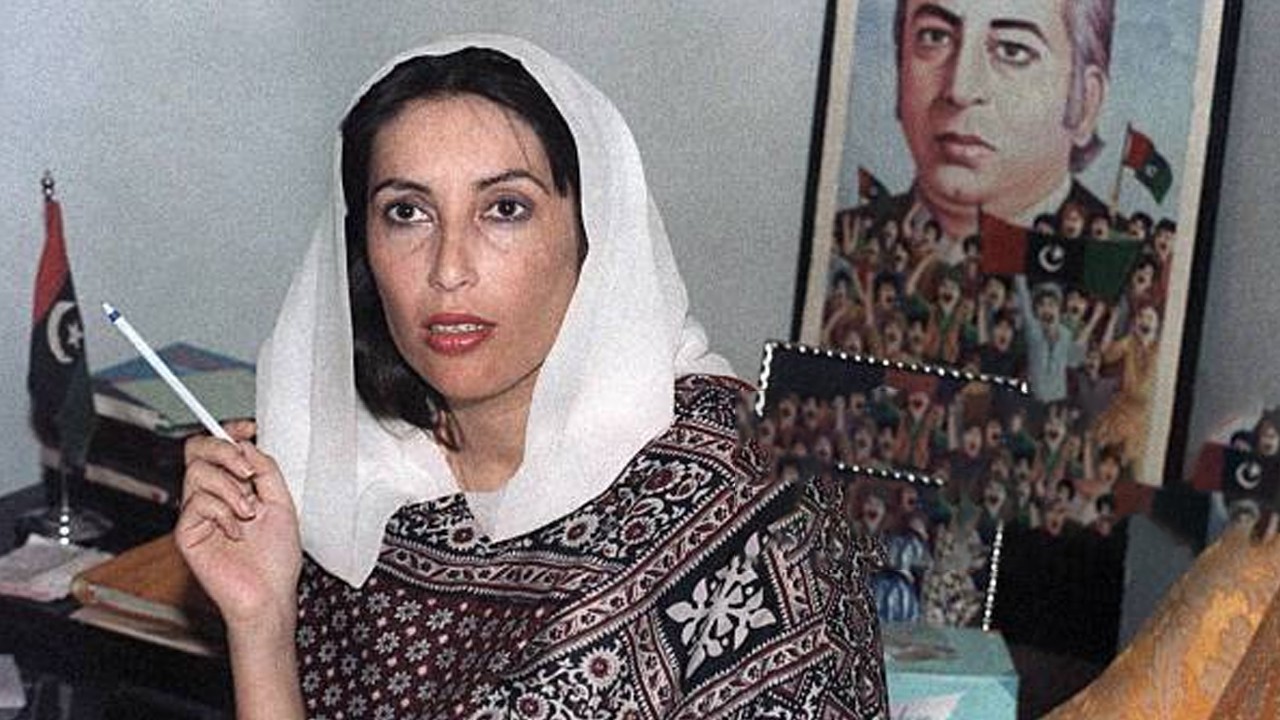
The execution of the former prime minister Zulfikar Ali Bhutto in April 1979 etched a deep mark on Pakistan’s political history. However, for his daughter Benazir Bhutto, who had to carry the legacy forward, set on a long and turbulent political journey that made her one of the most significant figures in Pakistani politics.
After Bhutto's death, Benazir headed Pakistan Peoples Party, facing imprisonment, house arrest, and constant political suppression.
Even though she faced these harsh realities that came with the position she inherited from her father, she clearly refused to exit politics. Her struggle, according to her, was both personal and national. She claimed that it was a fight to re-kindle democracy after the imposition of martial law.
After formally claiming leadership of the PPP in early 1980’s, her first and foremost agenda was the fight against authoritarian rule. Her activism caught international attention and turned her into a global symbol of democratic resistance.
Later she was put in exile for years but she utilized that time by lobbying world leaders and by talking about the issue of democracy in Pakistan on the international stage.
When she returned to Pakistan in 1988, massive crowds greeted her, showing their support for the legacy of Bhutto and widespread public disagreement on military rule. What followed worked in favor of the public opinion and Bibi’s political career too. General Zia-ul-Haq died in a mysterious plane crash in August 1988, abruptly ending an 11-year dictatorship, consequently, leading to general elections.
The elections happened and in November 1988, PPP emerged as the single largest party in the National Assembly. Benazir Bhutto became the prime minister at 35 years of age, also becoming the first woman to lead a Muslim-majority nation.
This was a historic breakthrough for female representation and democratic transition.
Bibi’s first time as a prime minister was led by high expectations from the public, she promised press freedom, restoration of student unions and relief for political prisoners. She further promised to rebuild democratic institutions that were weakened by years of authoritarianism.
However, her government was under constant pressure from an established bureaucracy, and military influence.
Her first government was dismissed in 1990 before it could complete its term, however, Bhutto’s rise to power in 1988 marked a historical moment. She strived to revive democracy after a prolonged period of martial law and also redefined women’s role in leadership across the Muslim world by becoming the first example.
Benazir Bhutto’s journey from a grieving daughter to an elected prime minister, is an extraordinary example of resilience, patience and faith for women all over the world.








Comments
0 comment