



New model allows private firms to compete in electricity supply market
Webdesk
|
12 Nov 2026
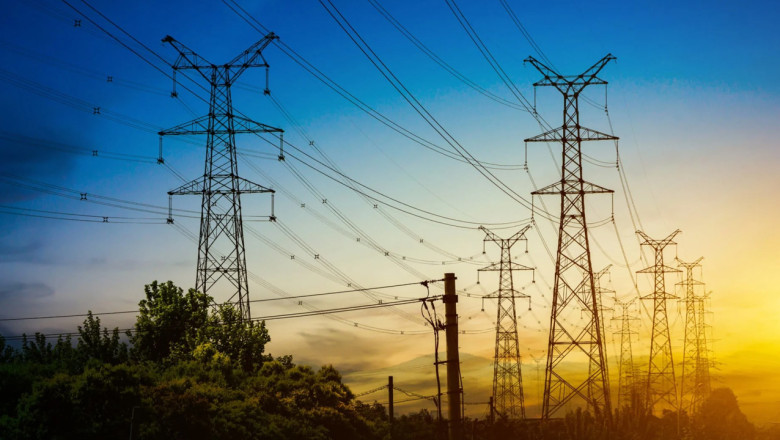
The government has proposed a two-tier business model for privatised power distribution companies, allowing private firms to compete in electricity supply, billing and collection while the new owners retain control of the distribution infrastructure.
The proposal, which requires approval from the power sector reform steering committee and the federal cabinet, envisages regulating the buyer of each distribution company as the supplier of last resort, while allowing other private entities to operate as competitive suppliers.
Under the proposed arrangement, competitive suppliers would have to acquire electricity supply capacity and corresponding customer portfolios from the new owners. This would also involve taking on legacy capacity payment obligations, which currently cost consumers around Rs1.7 trillion annually.
The model would not immediately reduce electricity prices, as consumers would continue to bear an idle capacity charge of Rs17 per unit. However, it could allow private suppliers to offer lower tariffs than officially approved rates in the medium to long term.
An official of the Privatisation Commission said the proposal aimed to shift legacy independent power producer contract obligations out of the existing power purchasing arrangement, introduce competition and improve efficiency in electricity supply.
The government is considering applying the model to the Faisalabad Electric Supply Company (FESCO), which the commission aims to privatise by early next year. Gujranwala and Islamabad distribution companies are also currently up for sale.
Under the arrangement, the Central Power Purchasing Agency-Guaranteed would auction contracted electricity supply capacity, along with the corresponding customer base, to private suppliers. These suppliers would take responsibility for electricity procurement, customer management, billing and collections.
Protected consumers would continue receiving regulated tariff protection, while existing cross-subsidy arrangements would remain in place during the transition.
If a competitive supplier fails to provide electricity, the distribution company's new owner would act as the supplier of last resort.
The government also plans to offer battery storage services as an additional business opportunity to help manage peak-hour demand and network losses.








Comments
0 comment