




The NVIDIA controversy: Could a China spy allegation shake the global AI industry?
Web Desk
|
10 Nov 2026
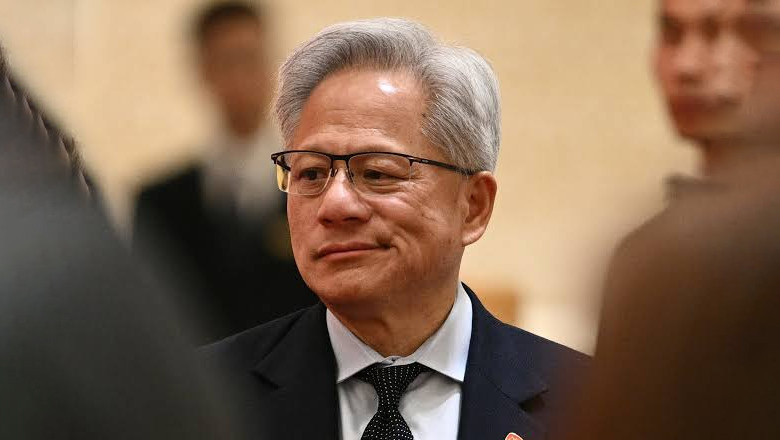
NVIDIA CEO Jensen Huang is facing growing scrutiny following allegations involving a Chinese businesswoman, Alice Huang, who is suspected by US intelligence officials of having links to Chinese intelligence.
The controversy has raised concerns over corporate security, the protection of sensitive technological information and the potential implications for the global artificial intelligence industry.
US President Donald Trump has publicly defended Jensen Huang, saying he believes the CEO's denial of any knowledge of the alleged espionage activities. Trump reportedly said he had personally questioned Huang about the woman and received assurances that he was unaware of any intelligence-related activities.
"I really believe him," Trump said, while confirming that the FBI was looking into the matter. He also expressed confidence that Huang would overcome the controversy.
The allegations have emerged amid heightened tensions between Washington and Beijing over access to advanced semiconductor technology. NVIDIA's AI chips play a critical role in powering some of the world's most sophisticated artificial intelligence systems, making the company strategically important to the global technology landscape.
The United States has been tightening restrictions on China's access to advanced AI chips, citing national security concerns. Beijing, meanwhile, has rejected the espionage allegations, describing them as unsubstantiated accusations and an attempt to discredit China.
The controversy is also attracting attention in financial and political circles. NVIDIA shares reportedly fell more than 4% on November 9, while the company's board launched an independent investigation into the matter. US lawmakers have also raised questions about potential national security risks, with renewed calls for tighter controls on advanced AI chip exports to China.
Beyond the immediate corporate implications, the situation could create additional challenges for NVIDIA's international business strategy and its position in an increasingly competitive semiconductor market.
As investigations continue, several key questions remain: Can NVIDIA rule out any compromise of sensitive corporate information? Will Washington introduce further restrictions on AI chip exports to China? And could the controversy affect the relationship between President Trump and one of Silicon Valley's most influential executives?
The developments highlight how the global AI race is increasingly intertwined with national security, intelligence concerns and geopolitical competition.
The outcome of the controversy could have implications extending well beyond NVIDIA, potentially influencing the future of the global semiconductor industry and US-China technology relations.









Comments
0 comment