




Taliban have barred 2.4 million Afghan girls from school since 2021, UNESCO says
Web desk
|
16 Aug 2026
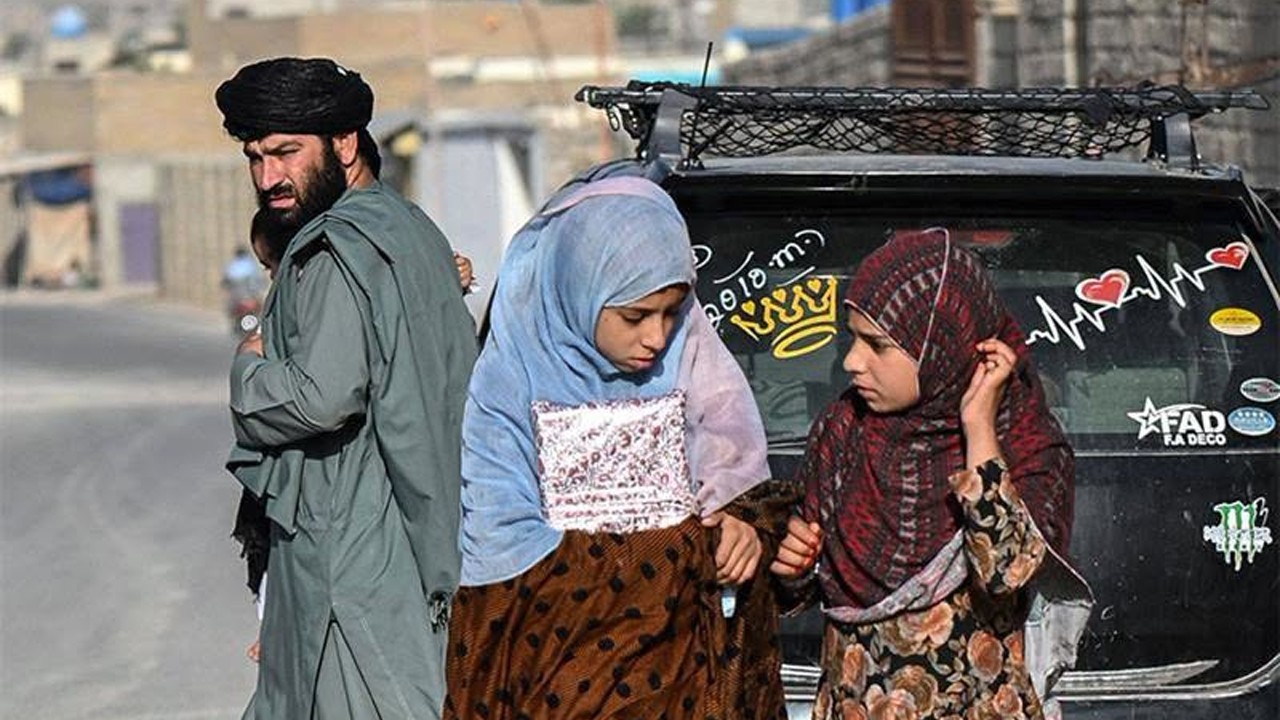
The Taliban have blocked around 2.4 million Afghan girls from attending secondary schools since taking control in Afghanistan in 2021, the United Nations Educational, Scientific and Cultural Organization (UNESCO) said on Tuesday.
The Taliban are set to celebrate the fifth year of their reinstatement into power in Afghanistan this week, while some countries are extending their links with the government despite escalating human rights violations.
Afghanistan is the only country where girls and women are prohibited from receiving secondary and higher education, UNESCO said in its statement. "It risks dooming Afghanistan to decades of missed opportunities, deepening poverty, and irreversible harm," the body stated.
As per UNESCO, the ban on female secondary and higher education can result in about 600,000 Afghan women exiting the labor force by 2066, causing income losses worth $9.6 billion and increasing the risk of early marriage.
The Taliban-led Ministry of Education did not respond immediately to a request for comment.
When the Taliban came to power in 2021 due to the exit of the US and its allies from the region, they had promised to maintain their commitments to guaranteeing women’s right to receive an education and pursue it.
However, in spite of such assurances, secondary schools for girls were closed in March 2022, followed by a ban on the admission of women to universities in December 2022. These bans were called temporary, but they continue to exist up until today.
The Taliban also impose restrictions on the employment and freedom of movement of women.
They say that they respect women’s rights based on their own interpretation of Islamic and Afghan traditions.
Restriction of education for women in Afghanistan is likely to deepen the shortage of female teachers, with more than 2 million primary schoolchildren remaining uneducated owing to reasons other than those two mentioned above, UNESCO said.
According to the organization, there will be a lack of about 11,000 qualified female teachers in Afghanistan by 2030.
"Many teachers have migrated from the country… And those who were part of the system are banned from teaching," Hoda Jaberian, UNESCO program coordinator for education in emergencies, said in a press conference.
"This decision of banning women from teaching boys not only led to a significant number of qualified teachers and educators leaving the education system but also resulted in boys being taught by unqualified male teachers," Jaberian said.
Many schools are overcrowded and poorly equipped. Nearly half of schools lack water, sanitation or heating, UNESCO said.
In 2025 alone, 3 million people returned to Afghanistan, either forcibly or voluntarily, placing further pressure on the schools. Since 2021, natural disasters including earthquakes and floods have forced the closure of 1,000 schools, UNESCO said.



Comments
0 comment