




2 hours ago
El Nino to intensify further before peaking in December: UN
Web Desk
|
8 Oct 2026
The current El Nino weather pattern is expected to strengthen further and reach its peak in December, potentially becoming one of the strongest such events recorded since 1950, the United Nations warned on Thursday.
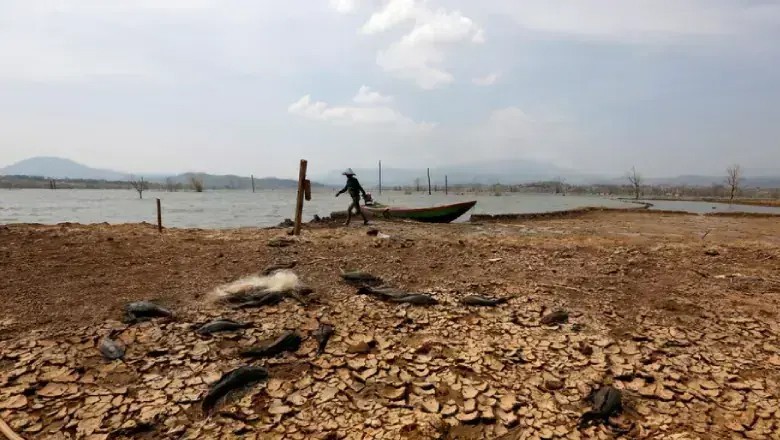
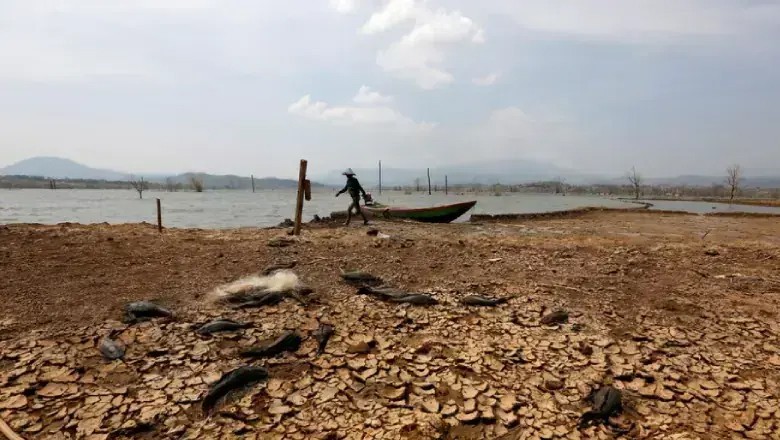
The World Meteorological Organisation (WMO) said that the phenomenon could bring unusually high temperatures across large parts of the world and alter normal rainfall patterns, raising the risk of both droughts and floods.
WMO chief Celeste Saulo said that there was almost a 100 per cent chance that the event would continue through February 2027 and warned that it was intensifying rapidly.
“El Nino is firmly established and strengthening rapidly,” Saulo said.
She explained that El Nino does not itself create additional heat but allows heat stored in the oceans to move into the atmosphere. The oceans are already at exceptionally high temperatures, meaning more heat is available to be released, she said.
The WMO said sea temperatures in the central and eastern tropical Pacific are expected to rise to unprecedented levels during October, November and December.
The temperature anomaly in the region increased from 1.6 degrees Celsius above normal in June to 2.5C above normal in August. It is forecast to reach about 3.7C above normal during the October-December period.
If that forecast materialises, it would surpass the previous record of 2.6C recorded during the 2015-16 El Nino. El Nino occurs when surface waters in the central and eastern equatorial Pacific become warmer than normal. The shift influences global wind, pressure and rainfall patterns and can affect weather far beyond the Pacific region.
The phenomenon generally occurs every two to seven years and lasts between nine and 12 months. It alternates with La Nina, its cooler counterpart, while periods between the two are considered neutral.
The WMO said its latest forecast was based on assessments from 13 major national and international meteorological centres.
The organisation also warned that the strengthening El Nino would compound the effects of human-driven climate change, increasing pressure on communities, ecosystems and economies.








Comments
0 comment