




Peshawar introduces automated e-challan system to enforce traffic laws
Web desk
|
19 Nov 2026
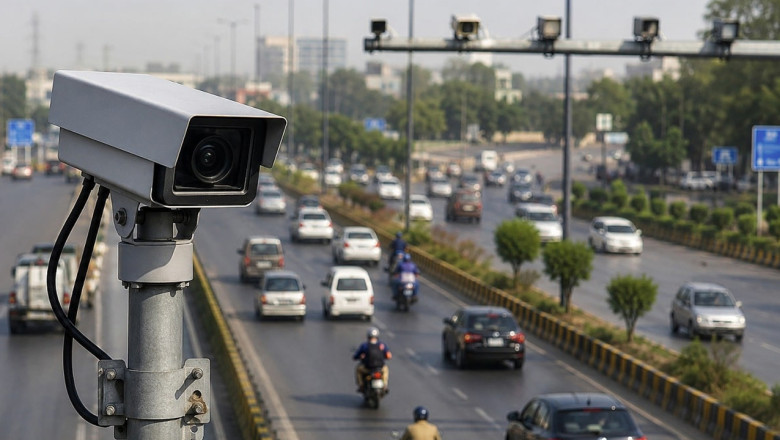
PESHAWAR: Peshawar has introduced a modern automated electronic challan system through Safe City cameras to ensure better enforcement of traffic laws and improve road discipline.
Under the new system, vehicle owners found violating traffic regulations will be identified through advanced surveillance technology and issued electronic traffic challans.
According to police officials, the digital mechanism will ensure that no individual can evade traffic penalties through personal connections, recommendations or influence. Fines will be imposed for various violations, including driving without wearing a seat belt, driving on the wrong side of the road, running red lights and riding motorcycles without helmets.
Deputy Inspector General of Police (DIG) Information Technology Khyber Pakhtunkhwa, Ijaz Ahmed, said Safe City cameras and advanced technology would be used to automatically monitor traffic violations, identify offenders and facilitate the issuance of electronic challans.
Senior Superintendent of Police (SSP) Traffic Peshawar, Dr Zahid Rafiq, said the newly introduced surveillance system would enable authorities to identify motorists violating traffic signals, driving on the wrong side and committing other traffic offences.
Police officials revealed that more than 15 million traffic violations had so far been recorded across the city. However, no citizens have yet been issued challans under the new system.
Authorities said that once the necessary approval is granted, the formal issuance of automated electronic challans for six categories of traffic violations will begin in the initial phase.
The system is being introduced following similar digital traffic enforcement models used in the United Kingdom, Dubai and other developed countries.
According to officials, the initiative aims to strengthen traffic law enforcement, discourage violations and promote greater awareness of road safety and compliance with traffic regulations among citizens.



Comments
0 comment