




IMF urges Pakistan to phase out fuel subsidies, says future relief must be targeted and time-bound
Web Desk
|
15 Nov 2026
ISLAMABAD: The International Monetary Fund (IMF) has urged Pakistan to phase out subsidies on petroleum products, stressing that any future relief provided to consumers in response to rising international oil prices must be limited, temporary and targeted exclusively at deserving segments of society.
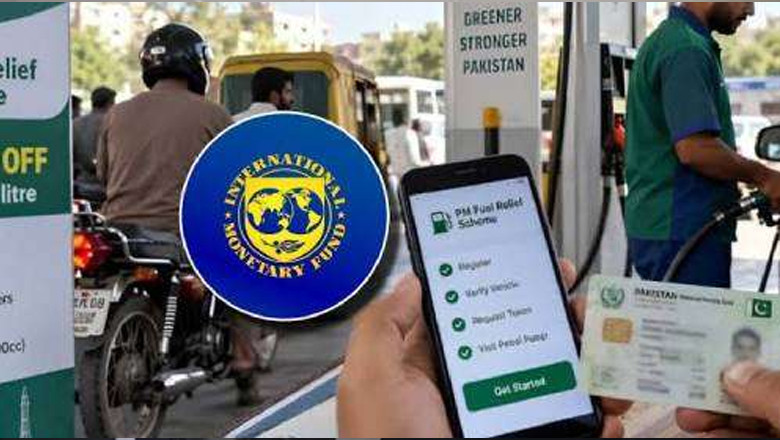
Pakistan introduced a fuel subsidy scheme in September to protect low-income groups from rising petroleum prices amid the conflict between the United States and Iran.
Under the scheme, motorcycle and rickshaw users receive petrol vouchers worth Rs500 per week, while owners of vehicles with engine capacities of up to 800cc are eligible for a discount of Rs100 per litre on a maximum of 10 litres of petrol every 10 days.
According to Arab News, an IMF spokesperson said Pakistan's existing fuel subsidy programme should be gradually phased out because of its broad coverage and high fiscal costs.
The spokesperson said that if international oil prices rise beyond expectations, any future financial assistance should be restricted to specific segments of society for a limited period. The associated expenditure should also be accommodated within the approved budget for fiscal year 2026-27.
The IMF spokesperson noted that under the $7 billion Extended Fund Facility (EFF) programme, Pakistan had committed to keeping domestic petroleum prices aligned with international market rates.
However, the country is also expected to introduce measures to mitigate the impact of higher fuel prices on vulnerable and deserving segments of the population.
The IMF spokesperson warned that the ongoing conflict in the Middle East posed a significant challenge to Pakistan's economic outlook, given the country's reliance on Gulf nations for oil and gas imports.
The closure of the Strait of Hormuz and disruptions to international shipping have affected the economic growth prospects of developing countries, while elevated global oil prices have already intensified inflationary pressures in Pakistan.
According to the Pakistan Bureau of Statistics, the country's annual inflation rate stood at 9.6 per cent in October, compared with 10.3 per cent in September.
The IMF spokesperson cautioned that continued volatility in international commodity prices could adversely affect Pakistan's economic outlook.
The spokesperson emphasised that Pakistan's policy priorities should remain focused on maintaining economic stability, strengthening public finances, improving competitiveness, boosting productivity, and reinforcing social protection systems and human capital development.
The IMF also stressed the need for reforms in state-owned enterprises, improved public service delivery and greater financial sustainability in the energy sector.








Comments
0 comment