




39 mins ago
Any bloodshed in Sindh will be Bilawal Bhutto’s responsibility, warns Mustafa Kamal
Web Desk
|
18 Nov 2026
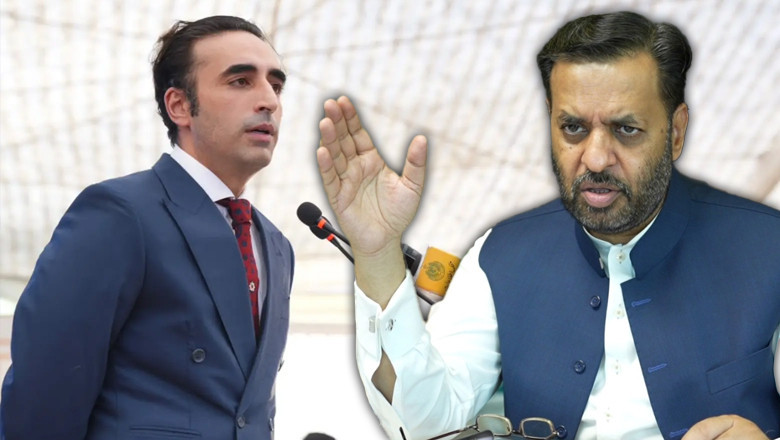
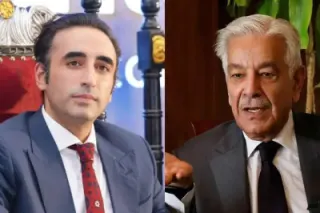
Federal Health Minister Mustafa Kamal has warned that Pakistan Peoples Party (PPP) Chairman Bilawal Bhutto Zardari would be held responsible if even a single drop of blood is shed in Sindh amid the debate over the creation of new provinces.
He questioned the PPP's opposition to administrative restructuring, saying that if governance and performance were satisfactory, there should be no objection to creating even 10 provinces.
A day earlier, Bilawal had strongly opposed the establishment of new provinces, warning that any attempt to forcibly divide Sindh would result in bloodshed on the streets of Karachi rather than the city's usual garbage problems.
Addressing a press conference at the National Press Club in Islamabad, Mustafa Kamal expressed concern over references to potential bloodshed in Karachi, Hyderabad, Mirpurkhas, Sukkur and Nawabshah.
He questioned the basis for making such statements about Urdu-speaking areas and said it was regrettable to invoke the possibility of violence in these communities.
The minister said the Muhajir population had faced various problems and injustices for several decades. He also highlighted security and civic issues in Karachi, including children dying after falling into open sewer drains and young people being killed during mobile phone snatching incidents.
Mustafa Kamal alleged that despite the PPP's 18 years in power in Sindh, residents of urban areas continued to face a lack of basic facilities.
He said Karachi lacked access to clean drinking water, sewerage problems remained unresolved, and the condition of roads, hospitals and other essential infrastructure was unsatisfactory.
He further claimed that employment opportunities for young people in Sindh had become increasingly limited, questioning whether Karachi's youth had any options beyond working for food delivery services such as Foodpanda or moving abroad.
The minister also alleged that young people were being denied jobs under the urban employment quota and that fraudulent domicile certificates were being used to deprive eligible candidates of their rights.
Highlighting his performance during his tenure as Karachi's mayor, Mustafa Kamal claimed that he had spent Rs300 billion on the city and that Karachi had ranked among the world's 12 fastest-growing cities during that period.
He also said water pipelines had been laid beneath the sea to supply water to 60,000 families living in different island communities around Karachi.
Mustafa Kamal claimed that Sindh had received Rs22 trillion under the National Finance Commission (NFC) Award over the past 17 years, but Karachi's conditions had not improved significantly.
He argued that the PPP should not be concerned about the creation of even 10 provinces if its governance record was satisfactory.
"Why should anyone fear the creation of new provinces if the existing provinces are performing well?" he questioned, adding that new administrative units were necessary to ensure that powers and resources reached ordinary citizens.
The minister also alleged that the PPP had opposed his attempt to introduce amendments relating to local governments during the passage of the 26th Constitutional Amendment.
Referring to the distribution of federal resources, Mustafa Kamal said the federal government already transferred 57.5 per cent of its resources to the provinces under the NFC Award.
He stated that the provinces had received Rs8,884 billion during the current fiscal year, including Rs4,400 billion for Punjab, Rs2,263 billion for Sindh, Rs1,500 billion for Khyber Pakhtunkhwa and Rs800 billion for Balochistan.
He further criticised provincial governments for failing to transfer powers to local governments, saying that the absence of local government elections in Punjab for 11 years amounted to a violation of the Constitution.
Mustafa Kamal maintained that the Constitution clearly required the devolution of authority to the grassroots level, but provincial governments were reluctant to empower local government institutions.
Concluding his remarks, the minister said his party had replaced two of its leaders and had never remained silent over wrongdoing.
He claimed that his group was among the few willing to speak out against decisions made by its own leadership, reaffirming his commitment to the Constitution and warning against attempts to intimidate or threaten them.





Comments
0 comment